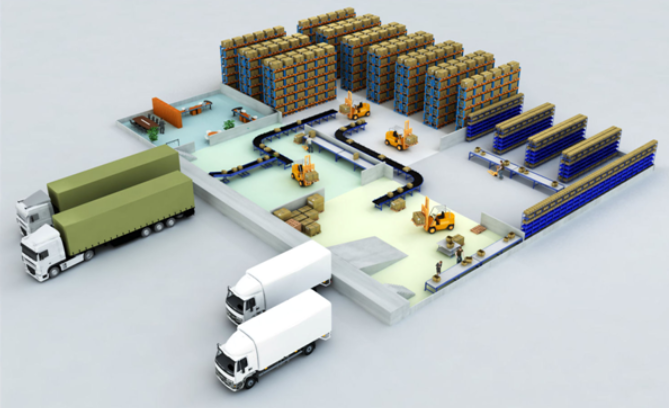

The efficiency of logistics operations, the speed of product processing largely depend on how all links of the logistics chain interact with each other, including the level of optimization of business processes in the warehouse. In an effort to reduce logistics costs and increase the amount of free capital for investments in their own development, the world’s leading manufacturers and trading companies have long been using cross-docking in their work – a mobile, technologically verified, and therefore very progressive method of processing goods in the warehouse.
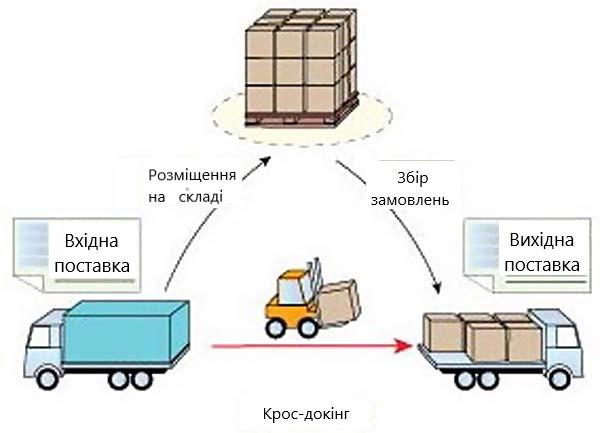
The reasons and needs that cause the need to use cross-docking can be different, but they are always dictated by the situation when it is necessary to quickly speed up the process of sending and receiving the goods (cargo) of the ordered volume and configuration by the end user in such operations as:
- re-grinding of the warehouse with its further transportation, already with a changed product (cargo) filling (cargo units);
- direct transshipment of goods (cargo) from a truck into a container or into several smaller vehicles;
- assembly of goods into sets (re-assembly, re-assembly, etc.) from various shipping warehouses;
- direct transshipment of goods (cargo) from one vehicle, the destination of which is the cross-docking platform, to another vehicle, the unloading point of which will be the final consumer (another warehouse or third-party cross-docking point);
- others.